Do you know what are the uses of the release film?
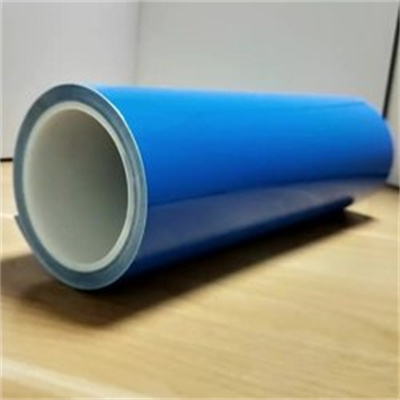
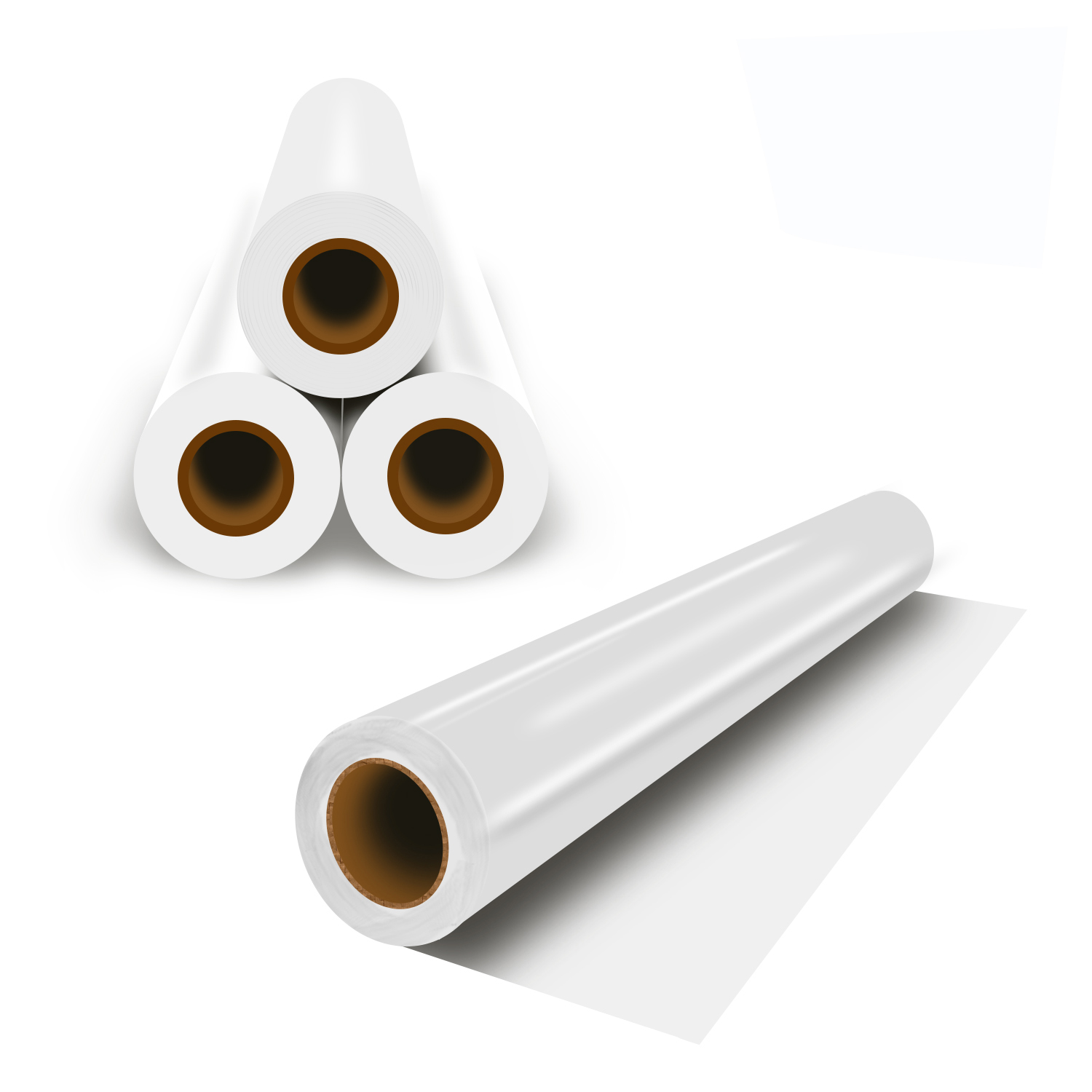
Release film is a material commonly used in thermal transfer printing. The substrate is PET, which is coated with silicone oil, so it is also called silicone oil film. Conventional thickness from 25um to 150ume has hot and cold tear and matte surface, after anti-static and anti-scratch treatment, the product has good adsorption and fit.
Release film has been widely used in packaging, printing, silk screen printing, pad printing, nameplate, membrane switch, flexible circuit, insulating product, circuit board, laser anti-counterfeiting, lamination, electronics, sealing material film, reflective material, waterproof material , Medicine (plaster paper), toilet paper, adhesive products, die-cutting and punching processing and other industries.
Classification and use of release film
PET high gloss film
In addition to the excellent physical and mechanical properties of ordinary polyester film, PET high-gloss film also has excellent optical properties, such as good transparency, low haze, and high gloss. It is mainly used for high-grade vacuum aluminized products, the film has a mirror surface after being aluminized, and has a good packaging decoration effect; it can also be used for laser anti-counterfeiting base film, etc. The high-brightness BOPET film has a large market capacity, high added value and obvious economic benefits.
PET transfer film
Transfer film, also known as thermal transfer film, is characterized by high tensile strength, good thermal stability, low thermal shrinkage, smooth surface, good peelability, and can be used repeatedly. It is mainly used as a carrier for vacuum aluminum plating, that is, after the PET film is placed in a vacuum aluminum plating machine for aluminum plating, the glue and paper are compounded, and then the PET film is peeled off, and the aluminum molecular layer is transferred to the surface of the cardboard through the adhesive effect. A so-called aluminized cardboard is formed. The production process of aluminized cardboard is: PET base film → release layer → color layer → aluminized layer → glue layer → transfer to cardboard.
Vacuum aluminized cardboard is a kind of cardboard with metallic luster, which is an advanced and novel packaging material developed in recent years. This kind of aluminized cardboard has bright color, strong metallic feeling, and bright and elegant printed matter. Because it adopts the method of vacuum aluminizing, only a layer of 0.25um、0.3um thin and bright aluminum layer is covered on the surface of the cardboard, which is only one-fifth of the aluminum foil layer of the aluminum cardboard, so that it has both Noble and beautiful metal texture, and degradable and recyclable environmental protection properties, it is a green packaging material.
PET Reflective Film
The characteristics of PET reflective film are that the film has excellent optical properties, the surface is smooth and clean, the thermal stability is good, the shrinkage rate is small, and it is resistant to light aging. The reflective materials used in transportation facilities include lens-type directional reflective film and flat-type reflective film, both of which use aluminum-coated PET film as the reflective layer, and after the pressure-sensitive adhesive is coated on it, the refractive index is 1.9. A number of glass microbeads are adhered to the PET aluminized film, and then a layer of butyral surface protection layer is sprayed.
PET reflective film is used for billboards and traffic reflections with reflective requirements
Signs (reflective road signs, reflective isolation belts, reflective license plates), reflective police uniforms, industrial safety signs, etc. In order to improve the surface properties of the PET film, to improve the adaptability of printing and the bonding force of the vacuum aluminized layer, the chemical coating film usually adopts the method of corona treatment to improve the surface tension of the film. However, the corona method has problems such as aging, especially in a high temperature and high humidity environment, the film tension after corona treatment is easily attenuated. However, there is no such problem in the chemical coating method, so it is favored by the printing industry and the aluminum plating industry.
Related News
About the use of PET halogen-free flame retardant products
product description: Due to the strict technical requirements and production process requirements of PET resin [...]
High Quality and Best Price Pet Release Film
PET release film is also called PET silicone oil film, which is to coat a [...]
Market prospect and future development direction of silicon coated pet release film industry in my country
Key Trends in the silicone coated pet release film Industry With the passage of time, [...]
Related Products