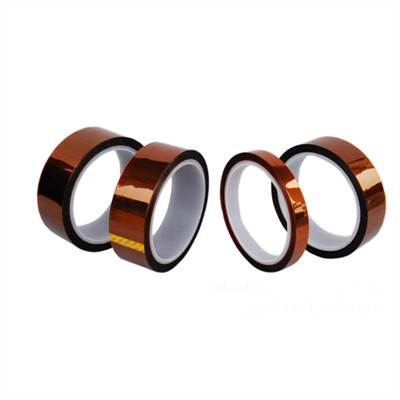
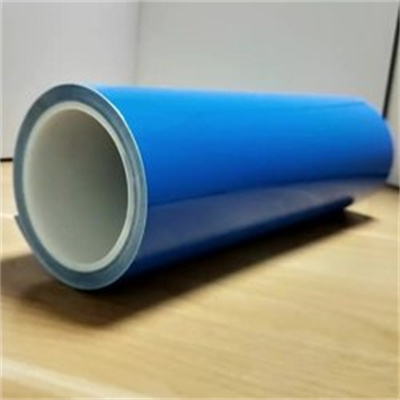
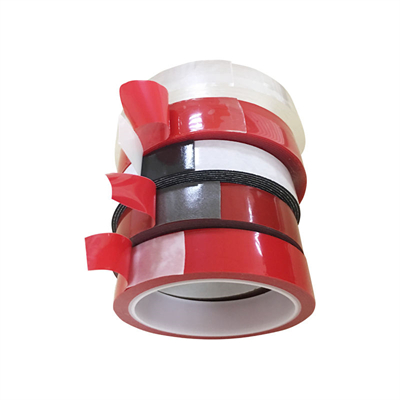
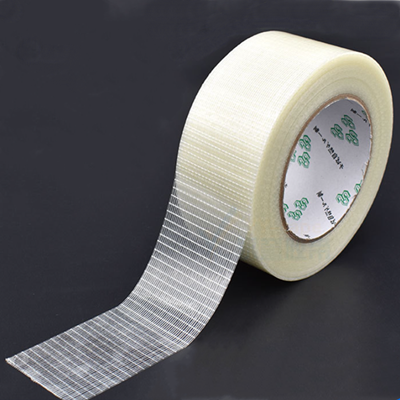
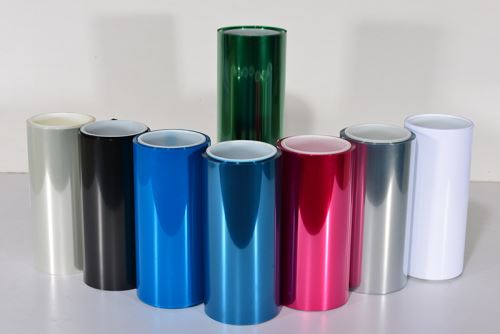
High Quality and Best Price Pet Release Film
PET release film is also called PET silicone oil film, which is to coat a layer of silicone oil on the surface of the PET film to reduce the adhesion on the surface of the PET film and achieve the effect of release. It can be divided into single-sided release film and double-sided release film. According to the release force, it can be divided into light release film, medium release film and heavy release film. Commonly used thicknesses are: 0.012mm, 0.019mm, 0.025mm, 0.038mm, 0.05mm, 0.075mm, 0.1mm, 0.125mm, 0.188mm, PET release film manufacturers are equipped with large-scale slitting and slicing machines. Roll and slice to your specifications. PET release film is now widely used in packaging, printing, silk screen printing, pad printing, nameplates, membrane switches, flexible circuits, insulating products, circuit boards, laser anti-counterfeiting, lamination, electronics, film for sealing materials, reflective materials, waterproofing Materials, medicine (plaster paper), toilet paper, adhesive products, die-cutting and punching processing and other industries.

PET release film, also known as thermal transfer film, peeling film, isolation film, slip film, Tianna paper, silicone oil film, release film, silicone oil release paper, silicone oil paper, masking film, PET release film is also called PET transfer film. It is mainly used as the carrier of vacuum aluminum plating, that is, after the PET film is placed in the vacuum aluminum plating machine for aluminum plating, the glue is compounded with the paper, and then the PET film is peeled off, and the aluminum molecular layer is transferred to the surface of the cardboard through the adhesive effect. A so-called aluminized cardboard is formed. The production process of aluminized cardboard is: PET base film → release layer → color layer → aluminized layer → glue layer → transfer to cardboard.
In order to improve the surface properties of the PET film, to improve the adaptability of printing and the bonding force of the vacuum aluminized layer, the method of corona treatment is usually used to increase the surface tension of the film. However, the corona method has problems such as aging, especially in a high temperature and high humidity environment, the film tension after corona treatment is easily attenuated. However, there is no such problem in the chemical coating method, so it is favored by the printing industry and the aluminum plating industry.
PET chemical coating series products have been developed in China: such as coating with water-soluble polymer, the surface tension of PET film can be increased; coating with acrylate emulsion can improve the adaptability of printing (water-soluble ink can be used); Polyurethane aqueous solution coating can strengthen the bonding force between the aluminized layer and the PET base film, and can increase the thickness of the aluminized layer. In addition, high-barrier films and antistatic films can also be obtained by the coating method.

Today’s world has entered the information age, and electromagnetic waves of various frequencies and wavelengths fill the entire earth space. These electromagnetic waves will cause different degrees of interference to unshielded sensitive electronic components, circuit boards, communication equipment, etc., resulting in data distortion, Communication is disrupted. The static electricity generated by electromagnetic induction and friction will be destructive to various sensitive components, instruments, certain chemical products, etc., such as high-voltage discharge due to the accumulation of static electricity in the packaging film, and the consequences will be destructive. Therefore, the development of antistatic PET packaging film is also very important. important. Antistatic film is characterized by adding a certain antistatic agent to the PET film, so that a very thin conductive layer is formed on the surface of the film, and a continuous phase is formed, which improves the surface conductivity and makes the generated charge leak as soon as possible. Generally, the surface specific resistance of the antistatic film is required to be ≤109~11 ohms.
More and more packaging manufacturers use printed shrink film to replace traditional transparent film. Because the printing shrink film can improve the appearance of the product, it is conducive to the advertising of the product, and can make the trademark brand have a deep impression in the minds of consumers.
Exceptions can also be used as: polyester film for packaging, polyester film for bronzing, polyester film for holography, polyester film for holographic laser anti-counterfeiting trademarks, polyester film for capacitors, black polyester film, polyester matt film , PET polyester twist film.
Related News
High Quality and Best Price Polyester Pet Film
PET film is a kind of packaging film with comprehensive performance. It has good transparency [...]
Related Products