Most commonly used materials for die cutting
Most commonly used materials for die cutting
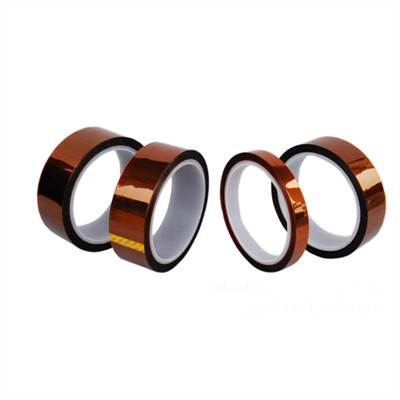
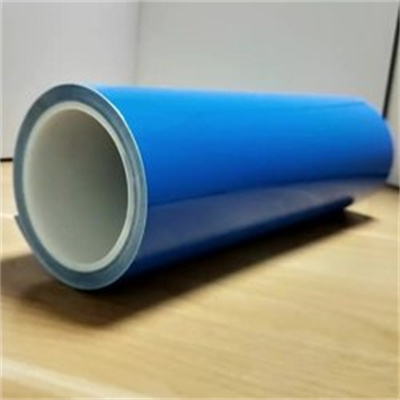
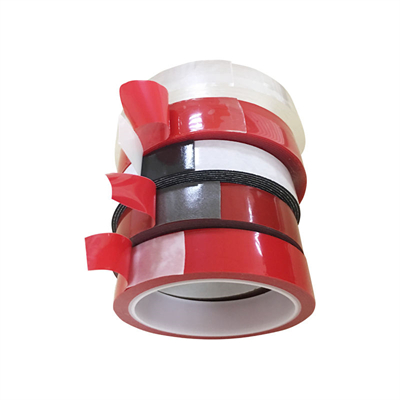
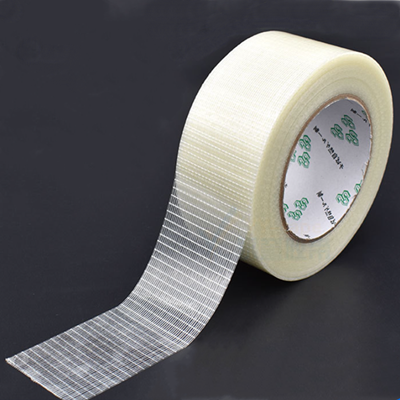
The most commonly used materials for die-cutting: foam, PET release film, glassine release paper, dustproof net, various tapes. The quality problems of tape are thickness and stickiness
Properties and uses of materials:
Do your best to the company: 3M Materials Company
Material name: foam, generally called PORON. Adhesive, conductive adhesive, conductive foam, copper, aluminum, and PORON are used on what, that is, what products can be used for those things? Adhesive = adhesive film Conductive adhesive = applied to LED, IC, electronic components and other components that require conductive bonding. There are two-component room temperature curing, and one-component heating curing, high temperature resistance, high thermal conductivity conductive foam = shielding material Mobile phone, TV, MP3/4, monitor, computer, GPS, audio… .. Anyway, 95% of general electrical and electronic products will use several of these materials more or less.
Introduction to Glassin Paper:
Glassine (the bottom paper is Glassine) silicone oil paper has the functions of high temperature resistance, moisture resistance, oil resistance, etc. It is generally used in the packaging of food, medicine and other industries. Mainly used for: high-speed automatic labeling (especially suitable for high-speed labeling) special tapes, double-sided tape substrate trademarks, laser anti-counterfeiting labels and other release applications, etc. Glassine base paper is coated and processed into glassine paper
The oiliness of glassine paper is uneven, and part of it does not release after die-cutting, what should I do?
1. Change the backing paper.
2. Is the backing paper deep? It may seep into the glue
3. Change the material
Classification of stickers
1: Use surface material: molded wood free paper, coated paper art paper (shading/mirror), transparent PVC, electrostatic PVC, polyester PET, spade paper, temperature resistant paper, PP, PC, kraft paper, fluorescent paper, heat sensitive paper Paper, copper silk dragon, silver silk dragon, gold-plated paper, silver-plated paper, synthetic paper (CPC/PP/HYL/excellent paper/pearl paper), aluminum foil paper, fragile (anti-counterfeiting) paper, textured paper, cloth label (Tyvik/Nylon), Pearl Dragon, Sandwich Coated Plate, Thermal Paper. .
2: Films used: transparent PET translucent PET transparent OPP translucent OPP transparent PVC glossy white PVC matt white PVC synthetic paper glossy gold (silver) polyester matt gold (silver) polyester
3: Use glue type: general super sticky type, general strong sticky type, strong sticky type for refrigerated food, general re-opening type, fiber re-opening type.
4: Use backing paper: white, blue, yellow glassine (or garlic paper onion) kraft paper, polyester, PET coated paper, polyethylene polyethylene.
Corrosion and other advantages, and non-toxic, does not absorb water. EVA rubber and plastic products are designed to be processed and formed, and their shockproof performance is better than that of traditional packaging materials such as polystyrene (foam), and meets environmental protection requirements. It is the best choice for export products. Compared with shockproof packaging, it can be cut and formed; due to the large difference in density, it can also have a wider range of uses. Features of EVA: Water resistance: closed cell structure, non-absorbent, moisture-proof, good water resistance. Corrosion resistance: resistant to chemical corrosion such as seawater, grease, acid, alkali, etc., antibacterial, non-toxic, odorless, and non-polluting. Processability: no joints, and easy to process such as hot pressing, cutting, gluing, laminating, etc. Anti-vibration: high resilience and tension resistance, strong toughness, and good shock/cushion performance. Thermal insulation: Excellent thermal insulation, thermal insulation and cold protection and low temperature performance, can withstand severe cold and exposure. Sound insulation: closed cells, good sound insulation. Applications: electronic products, household appliances, hardware tools, toys, handicrafts, tourism products, stationery, cosmetics, EVA shoe materials, etc.
Related News
High-quality polyester film (PET) for a wide range of applications
Polyester film is made of polyethylene terephthalate as raw material, made into thick sheet by [...]
Most commonly used materials for die cutting
Most commonly used materials for die cutting The most commonly used materials for die-cutting: foam, [...]
About mobile phone protective film product knowledge introduction and film precautions
1. High permeability membrane The light transmittance is extremely strong and easy, the protective film [...]
Related Products